Thai Massage or Oil Massage? How to Choose
Almost every massage menu in Krabi starts with the same two options, and most visitors pick one at random. They do genuinely different things, and choosing the right one for how your body feels that day makes a large difference.
Traditional Thai massage: pressure and stretching
No oil, clothes on, firm rhythmic pressure along energy lines followed by assisted stretches. It is the better choice when you feel stiff rather than tired: tight hips from long minibus rides, a locked lower back, legs that feel short after a day of walking.
Expect to be moved around. You finish feeling longer and looser rather than sleepy.
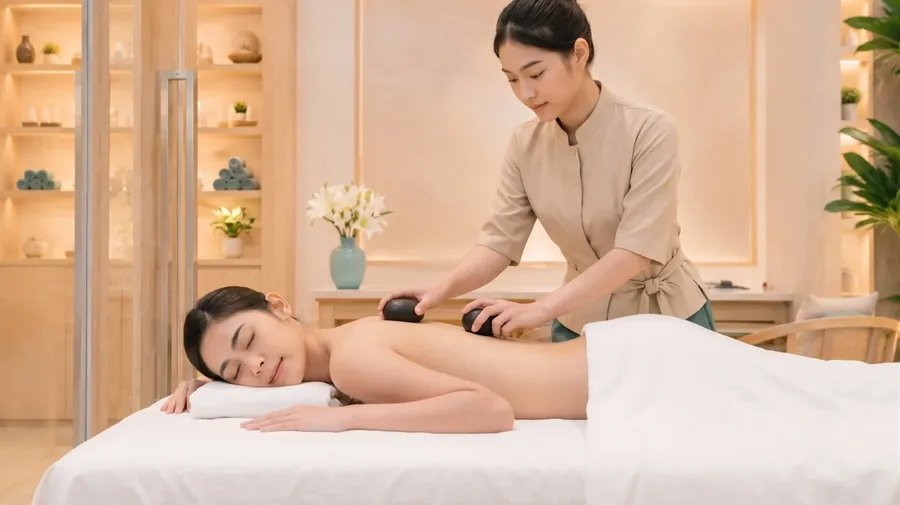
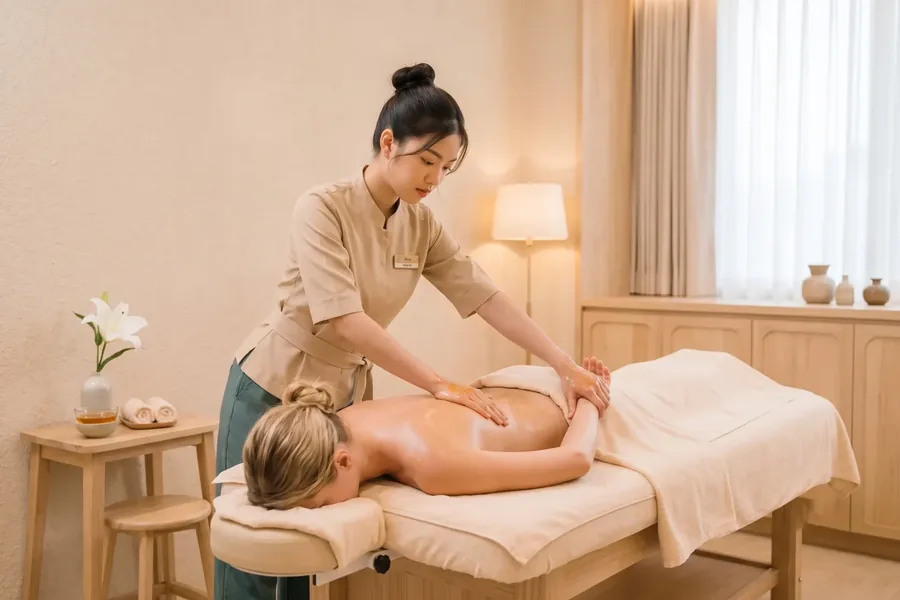
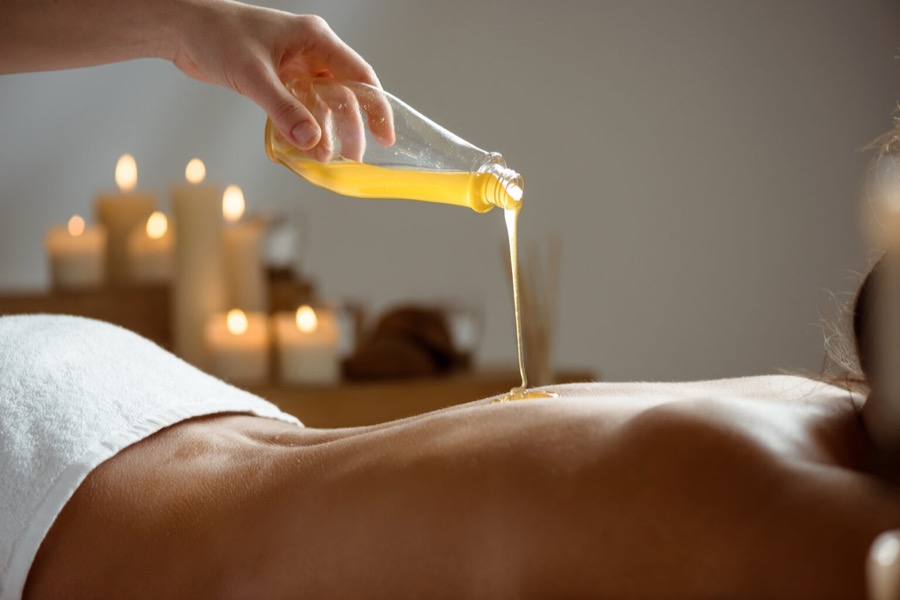
Oil massage: gliding strokes on skin
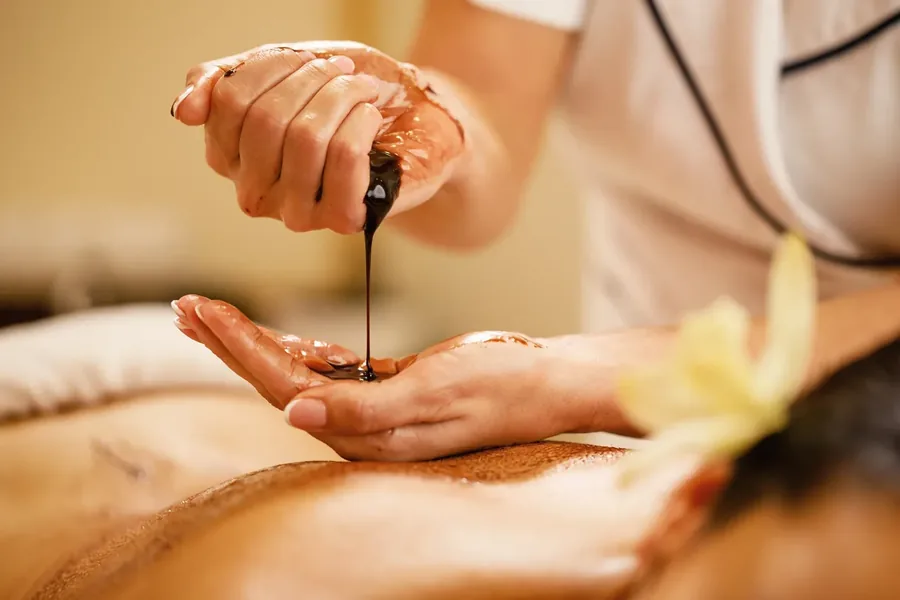
Warm oil, long flowing strokes, no stretching. It works on the surface muscles and the nervous system rather than on range of motion, and most people find it far more relaxing in the moment.
Choose it when you are tired rather than stiff, when you want to sleep well afterwards, or when your skin is dry from sun, salt water and air conditioning.
A quick way to decide
Stiff, achy, restricted movement, want results tomorrow? Take Thai massage.
Exhausted, sunburnt, overstimulated, want to melt and sleep? Take oil massage.
Want both? Thai massage with oil combines stretching with oil work and is the most popular choice for people on the second half of a long holiday.
When oil is the wrong choice
If you got too much sun, skip regular oil and ask for aloe vera instead. It cools the skin rather than adding heat, and the therapist will work more lightly.
If you are heading straight to the beach or the pool afterwards, remember that oil stays on the skin. Plan the shower first, or take a Thai massage instead.
Duration matters more than people think
Sixty minutes covers the whole body at a reasonable pace. If you have one specific problem area, a focused treatment such as a back, neck and shoulder massage spends the entire hour where it is needed instead of spreading it thin.